

For more than a decade, I’ve been sharing my thoughts and reflections on leadership, people, organisations and the realities of working life. Much of my writing has been prompted by experiences, observations and conversations that have caused me to stop and think, question an assumption or consider something from a different perspective. I’ve never set out to provide definitive answers or tell others what to think. Rather, through these articles, I’ve tried to explore the complexities, contradictions and occasional absurdities of leadership and organisational life, while encouraging readers to reflect on their own experiences and perhaps question some of their own assumptions along the way.
New and current articles since publishing my book

The Great Accordion
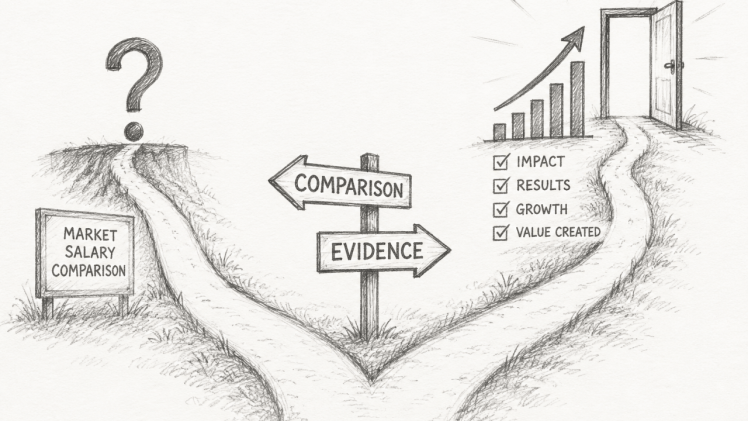
Are You Making the Wrong Argument?

What Are You Choosing Not to See?

Leadership is Simple. We’re the Complication

The Flaw at the Heart of Leadership Development

Hard Skills. Soft Skills. It’s the Wrong Conversation

When Extra Effort Becomes a Choice, Not an Expectation

Has LinkedIn Lost its Link?

But What’s the Real Question?
Original articles from which A Practitioners Guide to Leadership in the Real World was born
Part I : Authentic Leadership & Self Awareness
The journey of leadership begins not with others, but with yourself. This is something I only truly began to understand in later years. Before you can lead a team, a department, a business, or an organisation, you must first understand who you are – your values, your motivations, your strengths, and your blind spots.
These are the original articles that informed the first part of my book.

Who I am, is How I Lead – My 3 Steps to Effective Leadership

Ground Truth Your Leadership

If You Really Care …

Leading Quietly. Leadership that’s Louder than Words.

Beyond Resolutions: Finding Your Best Self

Know, Lead, Change: The Path to a Meaningful Identity

The Essence of Leadership: Treating People as People

Why Your Voice Matters More Than the Logos
Part II : Practical Leadership & Management Skills
Once you have established a foundation of self-awareness, the next challenge is to translate your values into action. The second part of the book focuses on the practical skills and tools that every leader needs to navigate the day-to-day realities of management. Here, I delve into decision-making frameworks, productivity hacks, and strategies for balancing competing demands.
These are the original articles that informed the second part of my book.

You Decide!

Encouraging Courage; A ‘brave space’ approach to Leader-as-Coach

Procrastination to Productivity : Just Do It!

Would Excellent Be OK?

Step Up and Lead From Any Chair

I Work For We, Who Do You Work For?

When Your Customer says Jump, Ask Them to Hold Your Hand.

But I Work Hard!

The Leadership Paradox: Balancing Rewards & Sacrifices
Part III : Communication & Building Relationship
At its core, leadership is about relationships. No matter how brilliant your strategy or how sound your processes, you cannot lead without the trust and support of others. The third part of the book examines the art of communication, not just the mechanics of giving feedback or running meetings, but the deeper work of building genuine connections.
These are the original articles that informed the third part of my book.

How to See it, Say it, Change it.

Be an Encourager. Not a Critic …

The Craft of Writing is the Art of Thinking

Leading With Clarity: Setting Expectations for Success

The Heartbeat of Genuine Connection in the Workplace

Silent Influence: How What’s Not Said Shapes Reputation.

Harmonising Perspectives: The Dance of Customer-Supplier Engagement

No! But They Are Never Wrong.
Part IV : Personal Growth & Resilience
A recurring narrative in the book is that leadership is never a destination. It’s not something to be arrived at. It is a process of continuous growth and adaptation. The world is changing faster than ever, and in my mind, the most successful leaders are those who are committed to lifelong learning.
These are the original articles that informed the fourth part of my book.

Your career is a Learning Journey, not a Label!

Learning & Personal Growth: If I knew then what I know now?
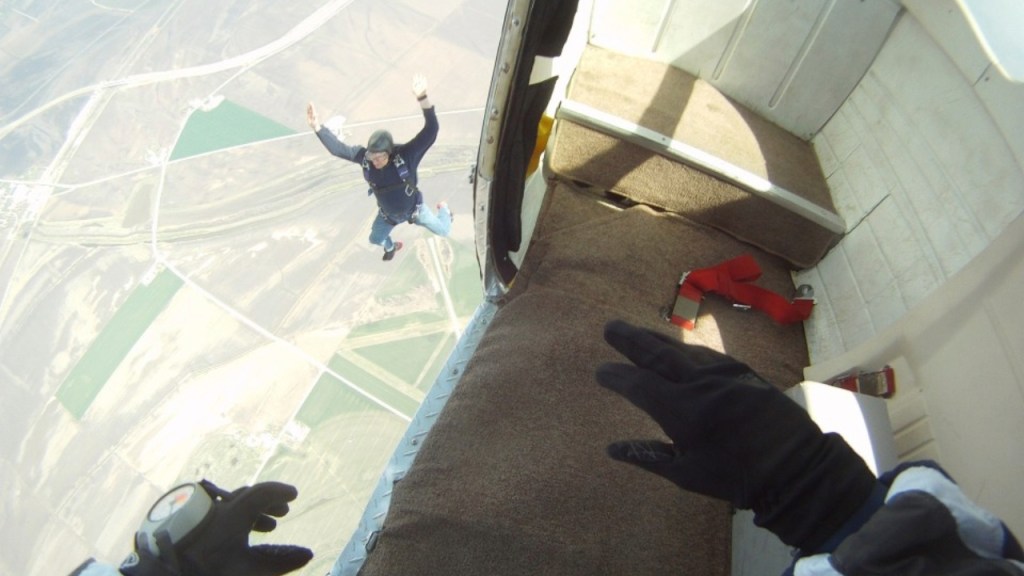
Well, If We Don’t Jump, I Guess We’ll Never Know

Every Storm Runs Out of Rain

Don’t Always Rely on the Ladder!

Reflecting on four things I feel I need to do better

Comfort Zone? Pushing? Really!

There’s no Point in Looking Backwards. We’re not Going That Direction

But What Can I Do? Breaking that Defeatist Cycle
Part V : Organisational Culture & Systems Thinking
No leader works in isolation. We are all part of larger systems, teams, organisations, companies, communities, and societies, that shape and are shaped by our actions. The closing part of the book explores the broader context of leadership, from the dynamics of organisational culture to the challenges of navigating complex systems.
These are the original articles that informed the fifth and last part of my book.

Everything will be OK … Until it’s not!
Work Life What?

Driving Electric: Three things that resonate with Driving a Business.
When What You Do becomes About How You Think

Volun’told: The Hidden Face of Leadership

When the Pursuit of Betterment Becomes a Workplace Pitfall

The Price of Progress: A Lament for our Vanishing Greenery

The Effort We Don’t Talk About: What Business Can Learn from RPE

Unlike Hands, Many Hats Do Not Make Light Work
